Childcare and education setups count on calmness, well‑drilled responses when a child is hurt or unexpectedly unhealthy. In Ballarat, the requirements are clear sufficient theoretically, yet the actual job hinges on transforming plan right into muscular tissue memory. If you supervise youngsters, run a very early discovering service, lead a college team, or manage OSHC programs, your emergency treatment strategy requires to match both the national requirements and neighborhood realities, from asthma spikes in spring to heat stress on excursion days and the periodic playground fracture.
This overview brings together the necessary certifications, sensible training course selections around Ballarat, and the day‑to‑day systems that maintain team certified and prepared. It draws on the common RTO offerings you will certainly see advertised as ballarat first aid courses or a cpr course ballarat, plus the patterns I have seen throughout numerous services that pass audits and deal with incidents well.
What the legislation anticipates in childcare and schools
The Education and learning and Treatment Provider National Rules set the standard for early understanding and OSHC. At any moment kids are being enlightened and looked after, a minimum of one personnel on website have to hold each of the following: a first aid credentials, an accepted anaphylaxis administration training, and an accepted emergency situation asthma management training. In technique, the majority of centres guarantee several people cover all 3 since lineups change and excursions split teams. A short staff meeting to map these qualifications versus the weekly roster usually protects against surprise non‑compliance.
Schools solution to a wider job health and wellness framework, task of care, and individual trainee health insurance plan. Principals and manager generally take on a risk‑based technique, yet the pattern is similar: preserve present first aiders throughout the schedule, ensure CPR money, and maintain targeted training if the school has a known danger account, as an example a big accomplice with bronchial asthma or intricate clinical needs.
For both industries the technological version of these qualifications is very important. The typical matchings are:
- HLTAID009 Provide cardiopulmonary resuscitation. Generally renewed every 12 months. HLTAID011 Offer First Aid. Generally restored every 3 years, though many services reduce that cycle to 2 years to sync with policy or insurance coverage expectations. HLTAID012 Supply First Aid in an education and learning and treatment setting. Created for childcare and OSHC, covering paediatric circumstances, bronchial asthma and anaphylaxis components, and child‑focused casework.
If you see "emergency treatment and cpr course ballarat" or "emergency treatment and cpr courses ballarat" in a service provider's schedule, check the certain unit codes. For teachers in early years, HLTAID012 is the more secure wager. For secondary schools, HLTAID011 plus HLTAID009 commonly is enough, after that include anaphylaxis and bronchial asthma training if your danger analysis points that way.
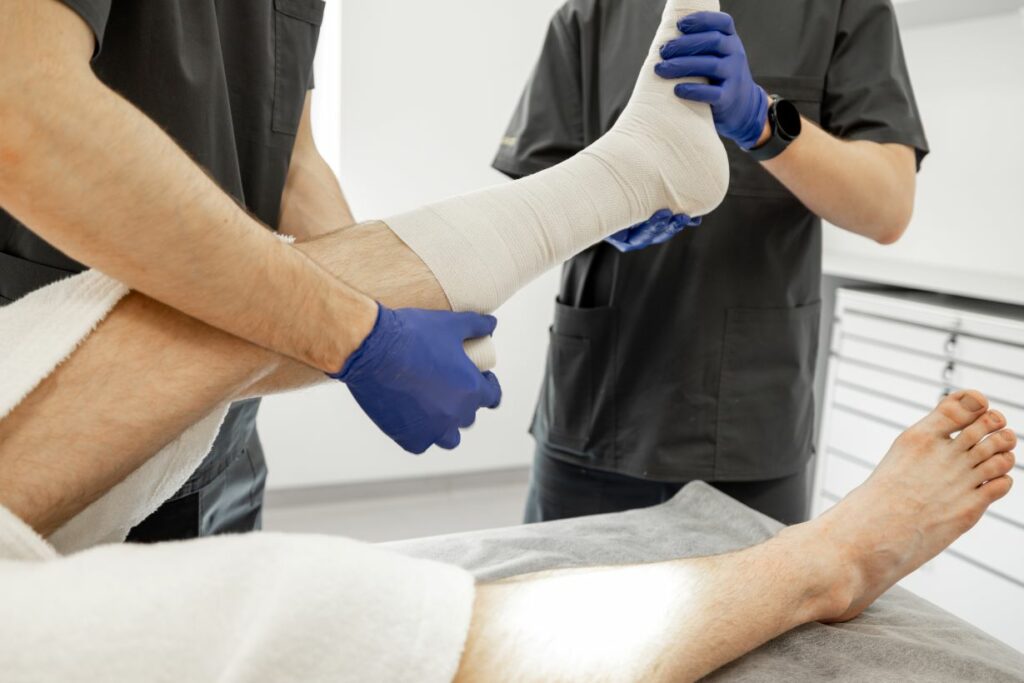
Understanding program alternatives in Ballarat
The Ballarat training market is busy, which helps with organizing. Huge and small RTOs run sessions mid‑week and on Saturdays with plenty of blended layouts. You will locate:
- Standard emergency treatment course in Ballarat: Usually the HLTAID011 system. Pre‑course eLearning takes 2 to 4 hours. Face‑to‑face parts run 5 to 7 hours relying on company and course size. First help program in Ballarat for education and learning and treatment: HLTAID012. The in‑person day is similar in length, but scenarios alter more youthful and consist of particular bronchial asthma and anaphylaxis content. CPR training Ballarat and cpr courses Ballarat: HLTAID009, frequently used as standalone 2 to 3 hour sessions, early morning or night. Helpful for yearly refresher courses and staff turnover. CPR refresher course Ballarat: Same device code as above, customized for those upgrading rather than picking up from scratch. First aid and CPR Ballarat combo: A packaged day where you tick both HLTAID011 and HLTAID009, or the HLTAID012 plus CPR component under one booking.
Some carriers advertise as first aid pro Ballarat or ballarat emergency treatment training to signify regional locations and trainers. The name on the flyer matters much less than the certification and the distribution requirement. Request for the RTO number, system codes, and evaluation needs before reserving a team. If a quote looks unusually low-cost, check whether it consists of manikin‑to‑student proportions that fulfill evaluation policies, private EpiPen trainer practice, and infant CPR on ideal manikins. Reducing those edges shortchanges your team.
Skills that matter in childcare and education and learning settings
The curriculum corresponds state to state, however the focus shifts when you work with youngsters. I tell brand-new instructors to master eight core capacities since they map to one of the most constant events, not the most ballarat first aid courses dramatic.
First, CPR for babies and children. You require to be able to shift in between age‑specific compressions and breaths without shedding your rhythm. Great fitness instructors run you with 3 cycles at rate and trainer your hand positioning until it is automatic.
Second, choking management. Kids aspirate food and tiny objects. Practise the sequence for a responsive kid with a respiratory tract obstruction, after that rise to less competent situations. Take note of exactly how promptly you ought to shift to CPR if the youngster becomes unresponsive instead of duplicating back impacts indefinitely.
Third, anaphylaxis recognition and adrenaline management. Timing matters more than perfection. The majority of reactions in centres happen after routine treats, occasionally with cross‑contact. Get comfortable with both EpiPen and Anapen trainers, and rehearse fast checks against a kid's ASCIA action plan.
Fourth, asthma flare‑ups. On bad plant pollen days around Ballarat, you will certainly treat several youngsters back‑to‑back. The typical four‑by‑four method still uses, yet also practise spacer technique mentoring so an anxious youngster can maintain a good seal. Numerous personnel miss the re‑assessment action; an excellent course develops that habit.
Fifth, bleeding control and injury treatment. This ranges from nosebleeds to scalp lacerations. Learn to integrate stress, elevation, and calm interaction, particularly when a child stresses at the sight of blood or when hair makes complex scalp dressings.
Sixth, fractures and strains. Play ground drops cluster around lunch break. Concentrate on risk-free immobilisation, staying clear of unnecessary movement, and clear handovers to paramedics or parents. A blow up splint is useful, but a triangle bandage and a consistent hand can be just as effective.
Seventh, head injuries. Institutions and centres see small knocks per hour on hectic days. You require sound triage: when to apply ice and observe, when to rise for throwing up, confusion, or a worrying device of injury, and just how to document the signs you monitored.
Eighth, heat‑related disease and dehydration. On warm days, trips and sport days turn small dehydration into migraines and dizziness. Quick recognition and very early water breaks protect against bigger problems. A thermostat in the first aid kit deserves the weight.
Courses in Ballarat that maintain sessions sensible and fast‑paced often tend to duplicate these core situations, integrate in time for Q and An about actual centre routines, and give you practice adjusting when the area format adjustments or when your emergency treatment police officer is off site.
Building a training plan that satisfies audits
I have seen two mistakes throughout evaluation gos to: solutions with expired certificates that were missed out on in the lineup shuffle, and services where every person finished the wrong system for their setup. Both are avoidable.
Treat emergency treatment currency as a rolling calendar occasion. Book mouth-to-mouth resuscitation every 9 to one year and obstruct the moment throughout staff meetings or very early closes. For first aid and cpr Ballarat companies, protected two days each year in situation of health problem or last‑minute roster modifications. Add asthma and anaphylaxis refresher courses in the exact same cycle, even if HLTAID012 consists of those elements. Auditors seek present, not simply initially completed.
Match systems to duties. Educators who work directly with kids need to hold HLTAID012. Administrative team with occasional kid call could hold HLTAID011, provided the flooring constantly has actually HLTAID012‑qualified team existing. Supervisors and coordinators typically select to hold both HLTAID012 and extra youngster security components because they lead case reactions and moms and dad communications.
Keep documents easy and visible. A one‑page register that reveals team name, unit code, problem day, and expiry date, along with duplicates of each emergency treatment certificate Ballarat or somewhere else, conserves you on hectic days. Place it next to the allergy and bronchial asthma action plans. When alleviation personnel arrive, they ought to have the ability to see at a glimpse that covers what across the shift.
Choosing a company: what to ask prior to you book
Price and place are only component of the choice. The space in between a box‑ticking day and a session that raises your group's ability remains in the teaching and the setup. When you call about for first aid courses in Ballarat, ask these questions:
- Do you provide HLTAID012 especially for education and treatment, and will the certificate show that code? Some service providers run a generic HLTAID011 day and add a short child module, which might not please your policy. What is the maximum class size and manikin ratio? A 1:4 manikin proportion is a useful upper limit if you desire everybody to perform full cycles under assessment conditions. Will we practise with EpiPen and Anapen instructors, infant and kid manikins, and spacer gadgets? The muscular tissue memory matters. How a lot pre‑course eLearning is required, and what happens if a staff member has reviewing problems or limited technology gain access to? Great providers can fit with dental questions or monitored sessions. Can you supply onsite at our centre or school? Onsite training saves travel time and lets staff practise in the real spaces where they will certainly reply to incidents.
If a location is main, parking is easy, and sessions run regularly, attendance rises. Lots of teams choose blended distribution: a large onsite session annually to cover most team, then send brand-new hires to a public ballarat emergency treatment course mid‑term. This keeps everyone in cycle.
What to anticipate on training day
The day runs much more smoothly if you prepare for the practicalities. Put on comfy clothes you can kneel in. Trainers will certainly ask you to execute 2 minutes of CPR on the flooring. If you have knee or back concerns, inform the fitness instructor at the beginning. Modifications can be made while still examining competency.
Arrive with the eLearning finished. The face‑to‑face time focuses on hands‑on drills and circumstances. Fitness instructors will group you right into sets or small teams and revolve stations: baby CPR, youngster CPR, choking, asthma and spacer mentoring, anaphylaxis and adrenaline technique, hemorrhaging control, and crack immobilisation. Great teachers keep these cycles quick to replicate genuine pressure.
Expect concerns about your setting: The number of children, what allergic reactions you handle, where the emergency treatment kits live, exactly how you call an ambulance, and how you orient parents. The best sessions bring your very own plans into the scenario. In one Ballarat session I ran, we practised a serious asthma case starting in a sandpit and relocating indoors due to wind and dust. The group mapped which entrances to unlock, who accumulated the spacer package, and that called 000. That type of practice session is where training meets reality.
Equipment and design: your 2nd line of defence
Training prepares individuals. Your equipment and design either assistance or impede them. Go through your centre or school and examine the basics.
First aid packages: A main set in the office or personnel room, plus satellite packages where the youngsters are. For very early knowing, one package per room is ideal, particularly for areas that open up straight to outside play. Maintain sets standardised so staff know precisely where to find handwear covers, bandages, and sticky dressings. Change utilized items right after events, not at the end of the week.
Asthma kits: A specialized bronchial asthma emergency situation package with spacer, mask sizes, salbutamol, and an easy laminated protocol. Area one in the highest‑risk location and one near the workplace. Train team to maintain spacers and masks for each and every kid where feasible, yet the emergency situation package fills up the space when a personal spacer isn't handy.
Anaphylaxis equipment: Adrenaline autoinjectors should be easy to order and out of reach of youngsters. A wall‑mounted case near the major activity location conserves secs. Keep a spare general‑use autoinjector if plan permits, and constantly store with the ASCIA basic activity plan. Examine expiry days monthly.
Communication: A charged cordless phone or mobile chooses the initial aider on lawn duty. In big institution premises, two‑way radios are worth the tiny price. Joggers lose time.
Signage and strategies: Photos of youngsters with anaphylaxis and severe allergic reaction plans near food preparation areas minimize cross‑contact. Throughout audits, I have seen centres pass with appreciation because their display screens were current and sensible, not buried in a folder.
Paediatric subtleties that alter the response
You can show emergency treatment as a set of techniques. In childcare and education and learning you likewise learn the psychology of youngsters and distressed moms and dads. That is not fluff, it is operational.
Children conceal signs and symptoms until they really feel secure to speak up. You usually learn about discomfort or shortness of breath throughout quiet time, not presently of injury. Train your team to check for subtle cues: a youngster who leans forward and declines to relax, a kid that stops chatting mid‑sentence, or one that all of a sudden stays clear of making use of a limb.
Parents need clear, tranquil information. After a head knock, the distinction in between "They hit their head" and "They stumbled on the mat, wept, no loss of consciousness, no vomiting, students equal, we applied ice and observed for thirty minutes" is reputation. Your documentation sustains that discussion. A well‑designed incident type triggers the best details and speeds the phone call to parents or the handover to paramedics.
Consent matters. For drug, including salbutamol or emergency situation adrenaline, your plans should reflect current advice and be strengthened throughout training. Team gain confidence when they understand the legal footing for immediate activity in life‑threatening situations.
Excursions, sports days, and off‑site risks
Incidents surge when you leave the acquainted format. A ballarat emergency treatment course that consists of off‑site preparation scenarios pays for itself the first time a kid collapses with bronchial asthma on a windy oval.
Set proportions so that at the very least one HLTAID012 owner participates in each subgroup, not simply the general expedition. Load light-weight kits: one belt‑mounted bag per teacher with handwear covers, bandages, instant cold pack, and a mini mouth-to-mouth resuscitation face guard. Bring the asthma emergency set and the general‑use EpiPen, also if you think no kid on the tour has an identified risk.
Agree your 000 telephone call strategy before you board the bus. Who brings the phone, who fulfills the rescue at eviction, and that sticks with the team. Save the website's exact location in your phone notes, including gate numbers or spots. Test this when with your team on a non‑event day so the plan is muscular tissue memory.

Maintaining capability in between courses
Annual mouth-to-mouth resuscitation and three‑yearly first aid cycles are the flooring. High‑performing teams produce little habits that keep skills warm. Short refresher courses in staff conferences aid: five mins to go CPR refresher programs in Ballarat through the DRSABCD series, 10 minutes to practise an EpiPen drill, or a fast asthma spacer presentation. Rotate who leads these micro‑sessions so knowledge spreads.
Debrief after real events. Keep it blameless and accurate. What worked, what slowed you down, what set was tough to reach. Then deal with one small thing the same day, also if it is as basic as moving a set or printing a more clear label.
If your solution makes use of alleviation staff on a regular basis, develop a short induction that consists of the location of kits, a tip of the emergency phone, and a check out the allergy board. That five‑minute induction prevents confusion throughout the very first congested lunchtime.
Budgeting and organizing without interfering with care
Training prices are typically moderate compared to agency cover or overtime, yet bad organizing transforms a budget friendly day into a rostering migraine. Plan in terms of waves. For a tool centre, train half the team onsite one week, the other half the next. Book cpr training ballarat sessions mornings or late mid-days across two weeks so you don't drain pipes the flooring in one hit.
Providers offering first aid training in Ballarat usually discount group bookings and may waive travel charges for onsite distribution within city limits. If you need weekend sessions, ask early. Saturdays in term time book out quickly as schools and sports clubs chase after the same dates.
Some solutions repay personnel who complete public sessions when they miss out on the onsite day. That adaptability helps when life happens. Keep invoices and certificates moving through a solitary manager to preserve tidy records.
When to select HLTAID012 over HLTAID011
I get this question often from tiny OSHC programs inside schools. If your personnel monitor primary‑aged kids, HLTAID012 is the far better fit. It consists of paediatric analysis and the particular sensitive and asthmatic emergencies you will see. HLTAID011 is a strong general device, yet the child‑focused circumstances make a difference when secs count. For high schools, HLTAID011 plus the annual CPR training course meets most requirements, then include targeted anaphylaxis and bronchial asthma training based on your pupil population and policies.
If you see a deal for a first aid and cpr course ballarat that packages HLTAID012 with HLTAID009, that mix gives you strong coverage and an easy revival rhythm: mouth-to-mouth resuscitation yearly, complete emergency treatment every three years, with acting micro‑refreshers in staff meetings.
Common challenges and how to stay clear of them
Trainers see the same avoidable issues throughout centres and schools.
Expired adrenaline autoinjectors sitting in a package. Appoint a month-to-month check to a particular individual, established schedule signals, and order substitutes early. Some drug stores will certainly message you ahead of expiry if you ask.
CPR abilities fading into doubt. The remedy is technique. 2 mins of compressions feel long when you have refrained them in a year. Establish a manikin show to a neighbouring service or book a cpr correspondence course Ballarat mid‑cycle for essential staff.
Choking feedback mixed up under stress. Practice the distinctive sequences for infants and for older youngsters. Fitness instructors can help you construct a mental photo of the actions so you don't blur them.
Action plans out of day. Families fail to remember to send new strategies after professional visits. Connect strategy updates to enrolment revival and the begin of each term. A straightforward e-mail theme with a due day and the ASCIA kind web link helps.
First aiders focused on early mornings. Lineup preparation typically leaves openings in the late mid-day when proportions are lean. Map your credentials to the whole day, not simply opening hours.
Bringing all of it together in Ballarat
Ballarat has the advantage of choice. You can reserve public ballarat first aid courses for new hires on brief notification, prepare onsite sessions for the whole team, and cover up with annual mouth-to-mouth resuscitation in small blocks. Use that adaptability to secure a routine that fits your service's rhythms.

If you are scanning choices under first aid ballarat or cpr ballarat, shortlist carriers that:
- Offer HLTAID012 for education and care as a distinct course, not an afterthought. Run enough sessions that personnel can reschedule easily if they are sick. Provide reasonable child‑focused situations and tools, including infant manikins, EpiPen and Anapen trainers, and spacer devices.
The distinction between a certified service and a resilient one is visible on a normal Tuesday. When a kid starts to wheeze during tale time, your team actions without fuss. One instructor leads the youngster to fresh air and starts the spacer, another gets the action plan, a 3rd educates the organizer that calls the parent. The room stays tranquility. You see it once more when a student trips at recess, divides their scalp, and a very first aider appears with gauze, gentle words, and a tidy handover note.
That is the payback from smart organizing, the appropriate systems, and method that mimics your day. With a clear strategy, the appropriate ballarat first aid training companion, and tiny habits that stick, you meet your legal duties and, extra significantly, you aid children with the unpleasant minutes of growing up with care and confidence.